Comprehensive Overview to Understanding Heating And Cooling Equipments and Their Advantages
Browsing the complexities of a/c systems can be difficult, yet it's vital for optimizing indoor comfort and air top quality. The vital lies in recognizing the synergy in between air, home heating, and air flow conditioning components. A properly maintained system offers countless benefits, consisting of power effectiveness, improved air quality, and consistent temperature control. Selecting the right system customized to particular requirements needs expertise and guidance. As we explore this thorough overview, let's unwind the intricacies of cooling and heating systems with each other.
Understanding the Fundamentals of Heating And Cooling Solutions
Although complex in style and feature, understanding the essentials of HVAC Solutions is important for house owners and structure managers - Commercial & Residential Refrigeration. HVAC, an acronym for air, air flow, and heating conditioning, is a system created to supply comfort in automotive and indoor atmospheres. The main role of a/c systems is to control space temperature level, air, and moisture quality to offer comfort to owners. They complete this by getting rid of pollutants from the air and keeping the balance of moisture. The procedure entails an elaborate system of interconnected components that interact to accomplish a climate-controlled environment. Recognizing the fundamentals of a/c systems is not only beneficial for keeping comfy living conditions but also for power performance and reducing utility bills
Key Parts of an A/c System
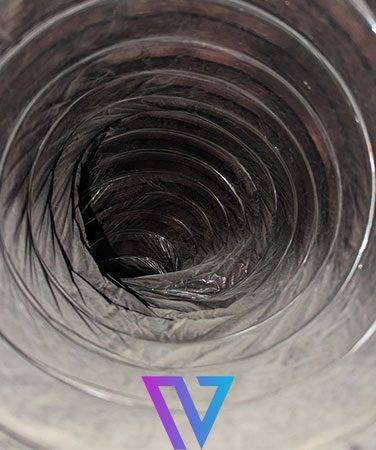
Moving on from the basic understanding of a/c systems, it is essential to identify the crucial elements that make these systems run properly. A HVAC system is composed mainly of a heating system, air conditioner, thermostat, and ductwork. The furnace, normally powered by all-natural gas, oil or power, creates warmth that is dispersed throughout the structure. The ac unit, situated outside the building, removes heat from the air and cools it before sending it into the ductwork. The ductwork functions as a blood circulation system, dispersing the conditioned air throughout the building. The thermostat controls the temperature level by signifying the system when to turn on or off based on the temperature setting. Recognizing these components can deepen one's understanding of cooling and heating systems.
Exactly How Do A/c Solution Job?

The Advantages of Having a Well-kept HVAC System
Tips for Picking the Right Heating And Cooling System for Your Room
When it pertains to selecting the appropriate heating and cooling system for your room, several aspects need to be thought about. The size of the room is critical; a system that's as well small will not efficiently warmth or cool your location, while an overly big system wastes power. Furthermore, the system's power performance rating, measured by its Seasonal Power Efficiency Proportion (SEER), ought to be considered. Greater SEER ratings suggest much better energy performance. The system's noise level is one more crucial factor to consider, as loud systems can interrupt your peace and quiet. Lastly, your budget plan plays a defining function. While high-quality systems may be much more costly upfront, they frequently verify a my blog lot more cost-efficient over time as a result of reduced maintenance and energy costs.
Conclusion
Finally, understanding the intricacies of heating and cooling systems is vital for optimum interior comfort and air quality. The components and functions of these systems considerably influence power performance and temperature level control. Picking the appropriate system and maintaining it correctly makes certain longevity and expense savings. Commercial refrigeration. Inevitably, an educated method to heating and cooling systems can lead to improved living and workplace, adding to general health and well-being
The key role of Heating and cooling systems is to regulate area humidity, temperature level, and air high quality to provide convenience to occupants. Relocating onward from the essential understanding of HVAC systems, it's crucial to recognize the essential parts that make these systems run successfully. The dimension of the space is critical; continue reading this a system that's too little will not effectively warm or cool your location, while an extremely big system wastes energy. The system's noise degree is one more crucial consideration, as loud systems can interrupt your tranquility and peaceful. In final thought, recognizing the ins and outs of Heating and cooling systems is necessary for ideal interior convenience and air quality.